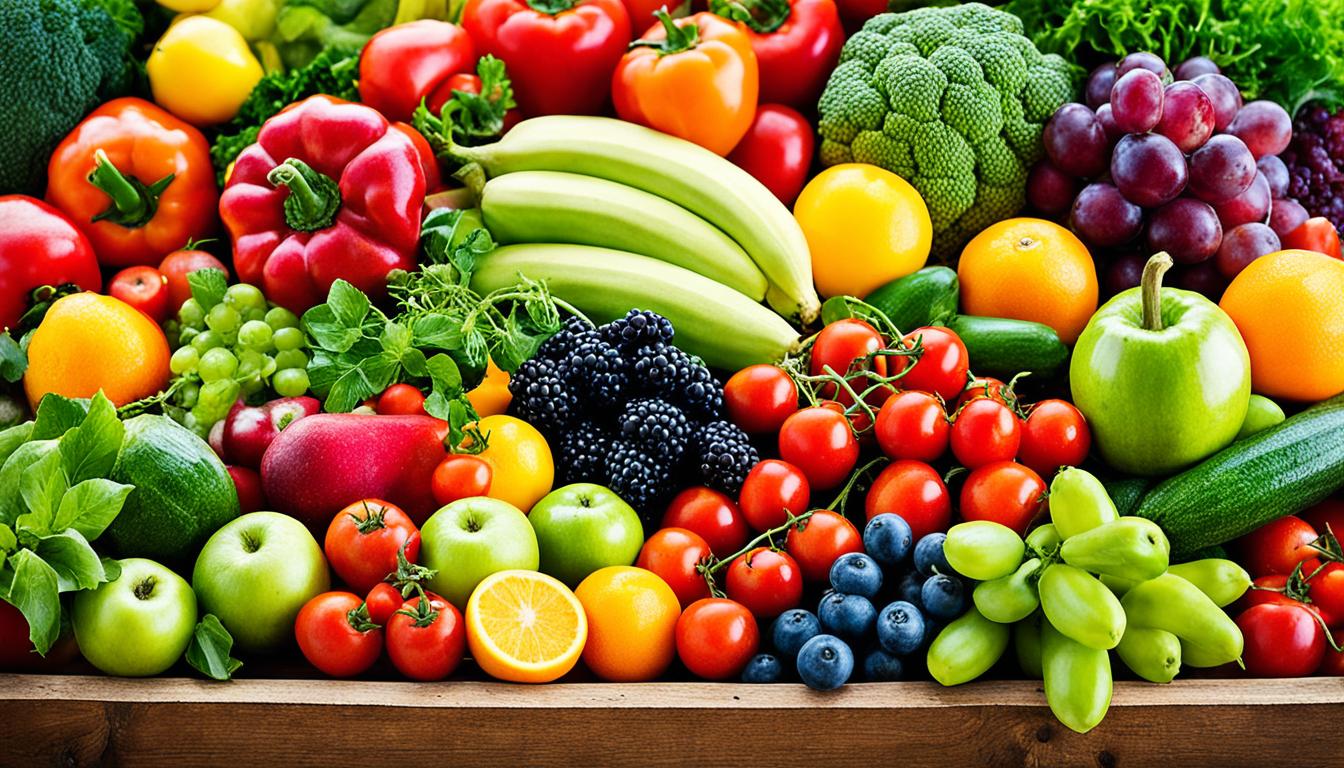
As someone who has always been conscious of my health and well-being, I’ve tried various diets and lifestyle changes over the years. But it wasn’t until I discovered the power of a whole foods diet that I truly experienced a transformation in my overall health and vitality.
It all started when I stumbled across an article about the benefits of a whole foods diet. Intrigued, I delved deeper into the concept and found myself captivated by the idea of nourishing my body with natural, unprocessed foods. I decided to give it a try.
The first step was to understand what exactly a whole foods diet entailed. I learned that it revolves around consuming primarily plant-based foods, such as fruits, vegetables, nuts, seeds, whole grains, legumes, and beans. These foods are packed with essential nutrients, fiber, and antioxidants that support optimal health.
Feeling inspired, I began incorporating more whole foods into my daily meals. I swapped processed snacks for fresh fruits, replaced refined grains with whole grains, and experimented with colorful vegetables in my dishes. The impact was almost immediate.
Not only did I start feeling lighter and more energized, but my cravings for unhealthy, sugary foods diminished. I discovered a whole new range of flavors and textures that I had been missing out on. And the best part? I was nourishing my body in a way that felt natural, sustainable, and aligned with my values.
My journey towards a whole foods diet hasn’t been without its challenges. There were times when I craved convenience and quick fixes, but I reminded myself of the long-term benefits that came with embracing this lifestyle. With each passing day, I found myself more attuned to the needs of my body and more determined to make healthier choices.
If you’re curious about embarking on a whole foods diet and experiencing the incredible benefits it has to offer, you’re in the right place. In this ultimate guide, we’ll explore everything you need to know to get started, including the key principles of a whole foods diet, tips for transitioning, and the multitude of health benefits that await you.
So, join me on this journey towards a healthier, more vibrant life. Let’s dive into the world of whole foods and unlock the incredible potential it holds for our well-being.
Understanding a Whole Food, Plant-Based Diet
A whole food, plant-based diet is centered around consuming foods that are minimally processed and primarily derived from plants. This type of diet emphasizes the consumption of whole fruits and vegetables, nuts and seeds, whole grains, legumes, and beans. It is important to note that a whole food, plant-based diet does not necessarily mean eliminating all animal products from your diet. Instead, it encourages individuals to choose more foods from plant sources and to include animal products in proportion to plant-based foods.
The popularity of a whole food, plant-based diet has significantly grown due to its potential health benefits. Research suggests that following this dietary approach can help to reduce the risk of chronic diseases, such as heart disease, cancer, and diabetes. Additionally, adopting a whole food, plant-based lifestyle can lead to increased vitality and overall well-being.
Embracing a whole food, plant-based diet involves making conscious choices to consume foods in their most natural and unprocessed forms. By doing so, individuals can reap the nutritional benefits of whole foods while minimizing the intake of additives and preservatives commonly found in processed foods.
How to Start a Whole Food, Plant-Based Diet for Beginners
Transitioning to a whole food, plant-based diet can be a gradual process, especially for beginners like myself. Instead of making drastic changes overnight, I’ve found that taking small steps towards incorporating more plant-based foods into my meals has been both manageable and rewarding.
One approach I’ve found helpful is to start by gradually reducing the consumption of meat and dairy products. For example, I started with one meatless day per week and then gradually increased the number of plant-based meals in a week. This gradual transition helps me adjust to new flavors and ensures that I’m not overwhelmed by the changes in my diet.
Exploring new foods is another important aspect of starting a whole food, plant-based diet. Fruits, vegetables, whole grains, and plant-based proteins like lentils, chickpeas, and tofu have become staples in my kitchen. These ingredients not only provide essential nutrients but also add variety and excitement to my meals.
Meal planning has also played a crucial role in my journey towards a whole food, plant-based diet. I find it helpful to plan my meals in advance, ensuring that I have a well-balanced combination of vegetables, legumes, and whole grains in each meal. This not only ensures that I’m meeting my nutritional needs but also makes grocery shopping more efficient.
Seeking support has been instrumental in making the transition to a whole food, plant-based diet easier. I’ve found encouragement and inspiration from friends, family, and online communities who share similar dietary goals. Connecting with others who are also on this journey provides valuable tips, recipes, and motivation to stay committed.
It’s important to note that there might be some potential side effects when transitioning to a whole food, plant-based diet. These can include temporary bloating and fatigue as your body adjusts to the new way of eating. However, these side effects are usually temporary and should subside as your body adapts to the change.
In conclusion, starting a whole food, plant-based diet is a process that requires patience and a willingness to explore new foods. By taking gradual steps, planning meals, and seeking support, anyone can embark on this journey towards a healthier and more sustainable way of eating.
The Benefits of a Whole Foods Diet
Embracing a whole foods diet offers a multitude of health benefits and contributes positively to the environment and animal welfare. By choosing to consume whole, minimally processed foods from plant sources, I can reduce my risk of chronic diseases and improve my overall well-being.
A whole foods diet also has a lower environmental impact compared to diets high in meat and dairy products. By reducing the consumption of animal-based foods, I can help decrease greenhouse gas emissions, save water resources, and mitigate deforestation associated with the production of animal products.
Furthermore, adopting a whole foods diet helps prevent animal cruelty by reducing the demand for factory-farmed animal products. By choosing plant-based alternatives, I am actively contributing to a more compassionate and ethical way of life.
Contrary to popular belief, plant-based diets can provide all the necessary nutrients, including protein, through a variety of plant-based foods. By incorporating a diverse range of fruits, vegetables, nuts, seeds, whole grains, legumes, and beans into my meals, I can ensure I am meeting my nutritional needs while enjoying a delicious and sustainable way of eating.