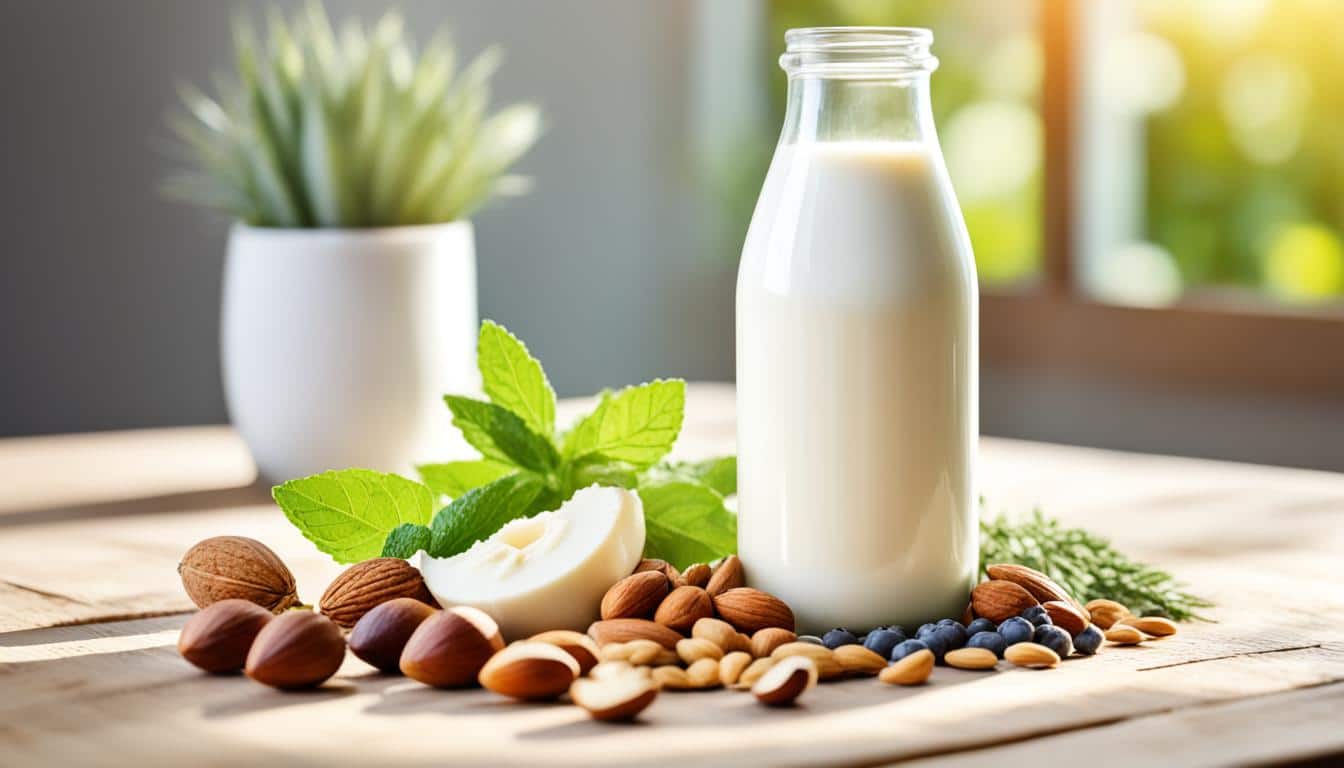
Let me take you on a journey through my kitchen, where a revolutionizing discovery unfolded. Tired of store-bought dairy milk and its environmental impact, I decided to embrace a more sustainable and healthier lifestyle by making my own homemade plant milk.
It all started one sunny morning when I stumbled upon a thought-provoking article about the benefits of choosing dairy alternatives. Intrigued, I dove headfirst into the world of homemade plant-based milk, eager to experience the taste of fresh, pure ingredients.
As I embarked on this adventure, I couldn’t help but be captivated by the thought of creating something nourishing with my own two hands. Not only would I be reducing waste, but I would also have complete control over the ingredients, ensuring each glass of milk was free from unnecessary additives or preservatives.
Inspired by newfound knowledge, I gathered my ingredients, ready to experiment with different flavors and textures. Armed with almonds, oats, and a sprinkle of curiosity, I embarked on my first batch of vegan milk.
With the hum of the blender and the aroma of freshly ground almonds filling the air, I poured the creamy concoction into a glass. The first sip was nothing short of magical. It was a taste sensation, far superior to any store-bought milk I had ever tried.
My journey into the world of sustainable living was just beginning. Never before had I been exposed to such a versatile creation. I discovered that homemade plant milk could be used in everything from comforting bowls of oatmeal to frothy cups of cappuccino.
With each delicious blend, I felt an immense sense of pride and accomplishment. Not only was I making healthier choices for myself, but I was also making a positive impact on the planet, one homemade plant milk at a time.
Join me on this enlightening voyage as we dive into the wonders of homemade plant-based milk. Together, we can unlock the myriad benefits of this eco-friendly alternative and embark on a path toward sustainable, guilt-free indulgence.
Why Make Alternative Milk at Home?
There are several compelling reasons why making alternative milk at home is a smart choice. By taking matters into your own hands, you can:
- Reduce Waste: Store-bought milk often comes packaged in plastic, which contributes to the global plastic crisis. Making your own milk eliminates the need for single-use containers, helping you reduce waste and minimize your environmental impact.
- Avoid Chemicals: Many store-bought milk options contain additives, preservatives, and artificial ingredients. By making your own alternative milk, you can ensure that it’s free from unwanted chemicals and enjoy a healthier beverage.
- Save Money: When you make alternative milk at home, you have control over the ingredients and can buy them in bulk, reducing your long-term costs. Homemade plant milk can be both economically and environmentally beneficial.
Making alternative milk at home empowers you to live a more sustainable and mindful lifestyle, while also enjoying the health benefits of a wholesome, homemade beverage.
The Impact of Store-Bought Milk
Let’s take a closer look at the environmental impact and potential health concerns associated with store-bought milk:
| Environmental Impact | Chemicals and Additives | |
|---|---|---|
| Reduced Waste | Plastic packaging contributes to the global plastic crisis | Many store-bought options contain additives and preservatives |
| Healthier Choice | Artificial ingredients and potential allergens may be present | |
| Cost-Effective |
By making alternative milk at home, you can reduce waste, avoid harmful chemicals, and save money in the long run. It’s a win-win situation for you and the environment.
Rankings for Plant-Based Milk
When it comes to the environmental impact of milk production, plant-based milk options are a clear winner. Compared to dairy milk, plant-based alternatives have significantly lower carbon emissions, water consumption, and negative effects on the environment. Let’s take a closer look at the rankings for plant-based milk in terms of their environmental impact.
Almond Milk
Almond milk is one of the most popular plant-based milk choices, but there have been concerns regarding its water consumption. It is true that almond trees require large amounts of water to grow, especially in dry regions. However, when compared to the environmental impact of dairy milk production, almond milk still comes out on top.
The dairy industry is a major contributor to deforestation, greenhouse gas emissions, and water pollution. In fact, dairy cows produce significant amounts of methane, a potent greenhouse gas, through their digestive processes. On the other hand, almond milk production does not contribute to deforestation and has lower carbon emissions.
Oat Milk
Oat milk is another popular alternative that ranks high in terms of its environmental impact. Oats are relatively low-maintenance crops, requiring less water and land compared to other grains. This makes oat milk production more sustainable and eco-friendly compared to dairy milk.
Furthermore, the carbon footprint of oat milk is considerably smaller compared to dairy milk. It is estimated that dairy cow farming accounts for a significant portion of global greenhouse gas emissions. By choosing oat milk, you can help reduce carbon emissions and combat climate change.
Soy Milk
Soy milk has long been a staple in the plant-based milk market and is known for its low environmental impact. Soybeans are efficient crops, requiring less water and land compared to dairy farming. Additionally, soy milk production emits fewer greenhouse gases compared to dairy milk production.
Choosing soy milk over dairy milk can help preserve forests and natural habitats. The dairy industry often contributes to deforestation for cattle grazing and feed production. By opting for soy milk, you can make a positive impact on the environment and support sustainable agriculture practices.
Overall, plant-based milks have a clear advantage when it comes to reducing environmental impact. By choosing alternatives like almond milk, oat milk, or soy milk, you can significantly reduce carbon emissions, water consumption, and support a more sustainable future.

Comparison of Environmental Impact
| Milk Type | Carbon Emissions | Water Consumption | Land Usage |
|---|---|---|---|
| Dairy Milk | High | Significant | Large |
| Almond Milk | Low | Moderate | Small |
| Oat Milk | Low | Low | Small |
| Soy Milk | Low | Moderate | Moderate |
DIY Plant-Based Milk Recipes
Making your own plant-based milk at home is easier than you might think. There are numerous recipes available for different types of milk, such as almond milk, oat milk, and hemp milk. Each recipe requires a few simple ingredients and a blender. You can customize the flavor and sweetness of your milk by adding ingredients like vanilla extract or dates. Homemade plant-based milk can be stored in the fridge for several days and can be used in various recipes, including smoothies, coffee, and baking.
Almond Milk Recipe
To make homemade almond milk, you will need:
- 1 cup of raw almonds
- 4 cups of water
- 1 tablespoon of sweetener (optional)
- 1 teaspoon of vanilla extract (optional)
Instructions:
- Soak the almonds in water overnight or for at least 6 hours.
- Drain and rinse the soaked almonds.
- Add the almonds, water, sweetener, and vanilla extract to a blender.
- Blend on high speed for 1-2 minutes, until smooth and creamy.
- Strain the mixture through a nut milk bag or cheesecloth to remove any solids.
- Store the almond milk in a glass jar or bottle in the fridge for up to 5 days.
Oat Milk Recipe
To make homemade oat milk, you will need:
- 1 cup of rolled oats
- 4 cups of water
- 1 tablespoon of sweetener (optional)
- 1 teaspoon of vanilla extract (optional)
Instructions:
- Add the oats, water, sweetener, and vanilla extract to a blender.
- Blend on high speed for 30-60 seconds, until well combined.
- Strain the mixture through a nut milk bag or cheesecloth to remove any solids.
- Store the oat milk in a glass jar or bottle in the fridge for up to 5 days.
Hemp Milk Recipe
To make homemade hemp milk, you will need:
- 1/2 cup of hemp seeds
- 4 cups of water
- 1 tablespoon of sweetener (optional)
- 1 teaspoon of vanilla extract (optional)
Instructions:
- Add the hemp seeds, water, sweetener, and vanilla extract to a blender.
- Blend on high speed for 1-2 minutes, until smooth and creamy.
- Strain the mixture through a nut milk bag or cheesecloth to remove any solids.
- Store the hemp milk in a glass jar or bottle in the fridge for up to 5 days.
Now you can enjoy the freshness and taste of homemade plant-based milk in your favorite recipes!

Conclusion
Making homemade plant milk is a sustainable and healthier alternative to store-bought dairy milk. It allows you to reduce waste, avoid unnecessary additives, and customize the taste and texture of your milk. By using simple ingredients and following easy recipes, you can create delicious plant-based milk at home. Whether you prefer almond milk, oat milk, or another type of milk, making it yourself is a rewarding and eco-friendly choice.
Store-bought milk often comes with excess packaging, contributing to the global plastic crisis. By making your own milk, you can help reduce plastic waste and have a positive impact on the environment. Homemade plant milk also allows you to avoid the chemicals and preservatives found in many store-bought options, promoting a healthier lifestyle for you and your family.
With a wide variety of plant-based milk recipes available, you can find the perfect one for your taste preferences. From creamy almond milk to smooth oat milk, the possibilities are endless. By making your own milk, you have the freedom to customize the flavor, sweetness, and consistency to suit your liking. Plus, homemade plant milk can be used in various recipes, such as smoothies, coffee, and baking.
So why not give it a try and unlock the joys of homemade plant milk? You’ll not only enjoy the delicious taste and texture, but also contribute to a more sustainable and eco-friendly lifestyle. Say goodbye to store-bought dairy milk and embrace the healthier and greener option of homemade plant milk.