There’s something truly special about the smell of freshly baked bread filling the air. It’s a scent that instantly transports me back to my childhood, reminding me of lazy Sunday mornings spent in my grandmother’s warm kitchen. The anticipation of a crusty loaf, still warm from the oven, created a sense of comfort and joy that I hold onto to this day.
Bread making is an art that has been passed down through generations, and there’s no doubt that artisan bread holds a special place in our hearts. Its rustic charm, with its crackling crust and soft, chewy interior, awakens a deep sense of satisfaction and connection to tradition. Each slice tells a story of love, dedication, and the magic that happens when simple ingredients come together.
Whether you’re a seasoned baker or a novice ready to embark on your bread-making journey, this ultimate guide to artisan bread making will take you through every step of the process. From understanding the importance of high-quality ingredients like sourdough starter and bread flour to mastering the art of shaping and baking, you’ll discover the secrets to creating your own masterpiece.
Join me as we dive into the world of artisan bread, where patience becomes your ally, and the reward is nothing short of pure delight. Together, let’s unlock the magic of bread making and fill our homes with the irresistible aroma of fresh-baked goodness.
The Significance of Bread in Human Culture
Bread, a staple food that has stood the test of time, holds immense cultural significance across the globe. It is not merely a source of nourishment but also a symbol of companionship, tradition, and cultural connections.
The act of bread making goes beyond its utilitarian purpose; it allows individuals to reconnect with their cultural and even religious roots. The process of kneading the dough, waiting for it to rise, and finally savoring the aroma and taste of freshly baked bread brings people closer to their heritage and the rituals passed down through generations.
Throughout history, bread has played a vital role in fostering relationships and engaging with different cultures. Every region has its unique bread-making techniques, recipes, and rituals that reflect the local customs and traditions. From the soft and fluffy buns of Asia to the crusty baguettes of France, each type of bread tells a story of its origins and the people who crafted it.
The cultural significance of bread extends beyond its various types and shapes. It also serves as a versatile ingredient in the culinary realm. Bread can be transformed into pizza dough, flatbreads, rolls, and biscuits, allowing for endless creativity in the kitchen. These adaptations showcase the adaptability of bread and its ability to adapt to different cultural contexts and preferences.
To truly appreciate the cultural significance of bread, it is essential to embrace the tradition of sharing homemade bread with loved ones. Breaking bread together fosters a sense of togetherness, strengthens bonds, and creates lasting memories. The act of offering bread is a gesture of generosity, goodwill, and warmth.
As we delve into the world of bread making, we not only embark on a culinary journey but also dive deep into the rich tapestry of human history, cultural diversity, and our shared experiences. Join me in exploring the art of bread making, as we celebrate the universal love for bread and the connections it forges among all of us.
Mastering the Art of Bread Dough Shaping
Shaping bread dough is an essential skill for any bread maker, as it sets the stage for achieving beautiful and delicious loaves. Whether you’re aiming for a traditional boule, an elegant bâtard, a versatile pan loaf, or the iconic baguette, mastering the art of bread dough shaping is key.
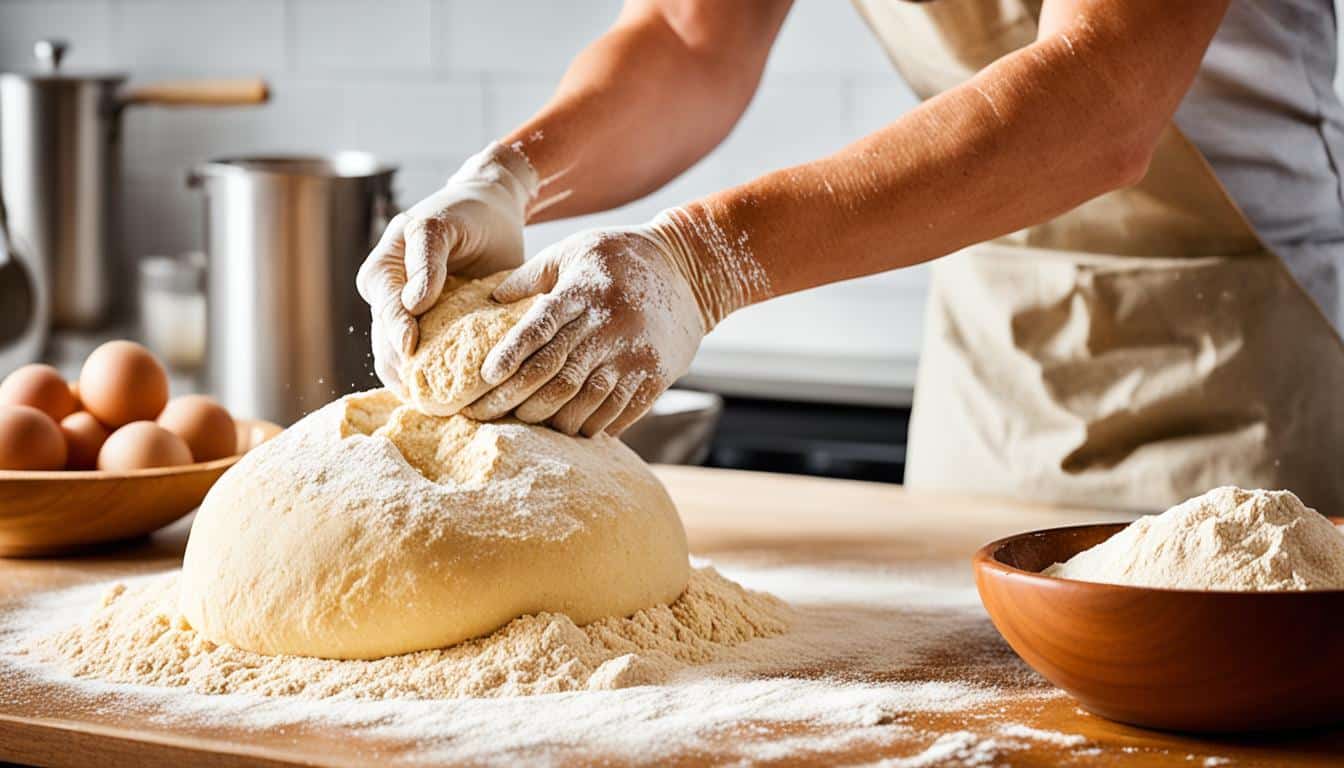
To begin, ensure your dough has developed sufficient strength through proper kneading. This will give it the elasticity needed to hold its shape during the shaping process. Preshaping the dough, gently rounding it and allowing it to rest, helps create a smooth and organized surface.
For different bread shapes, specific techniques are necessary. To shape a boule, pull the edges of the dough towards the center, creating tension and a taut surface. Bâtard shaping involves folding the dough into an elongated oval, again creating tension and a smooth outer skin. Pan loaves benefit from rolling the dough into a tight cylinder and placing it seam-side down in the pan for an even rise. Baguettes require elongating the dough gently and tightly rolling it to achieve the classic slender shape.
Beyond these shapes, bread dough can be shaped into buns, rolls, and even pizza dough for the ultimate homemade pizzas. Whatever the shape, remember to proof the dough properly, allowing it to rise before baking. This step ensures a light and airy texture while maintaining the desired shape of the bread.
As with any skill, challenges may arise. Sticky dough can make shaping difficult, but incorporating flour sparingly during the process can help. Don’t hesitate to explore shaping videos or seek guidance from experienced bakers to overcome any obstacles you encounter.
By following these shaping techniques, bakers of all levels can elevate their bread-making skills and produce visually stunning and delicious breads. So, roll up your sleeves, dust your hands with flour, and embark on the exquisite journey of bread dough shaping!