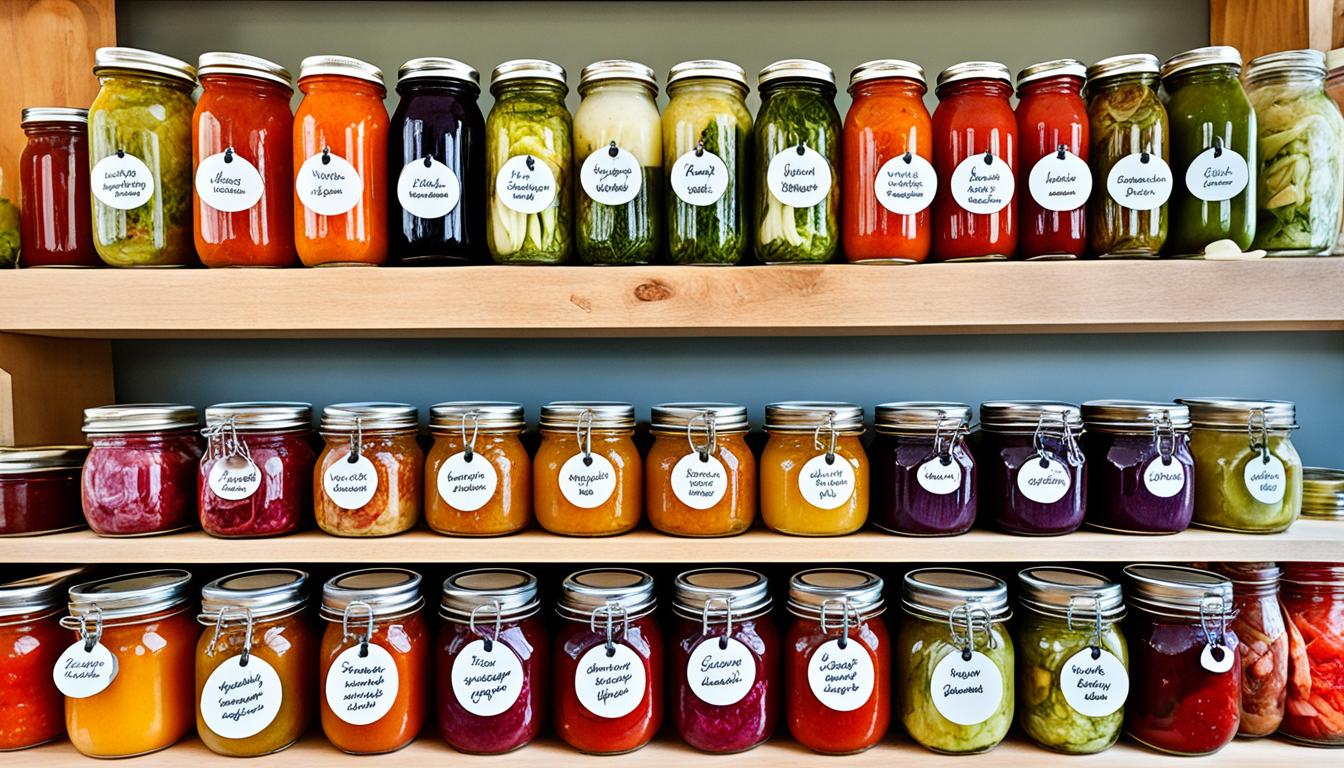
The culinary world is an ever-evolving landscape of flavors and innovations. As we step into 2024, exciting new trends are emerging that will redefine the way we cook and eat. From unique ingredients to cutting-edge kitchen designs, this year promises to be a feast for the senses. Let’s take a closer look at the culinary trends that will dominate kitchens in 2024.
First and foremost, food innovations will take center stage. Chefs and food enthusiasts alike are pushing the boundaries of flavor and presentation, experimenting with extraordinary ingredients and creative cooking techniques. Prepare to be amazed by the daring and inventive dishes that will grace dining tables in 2024.
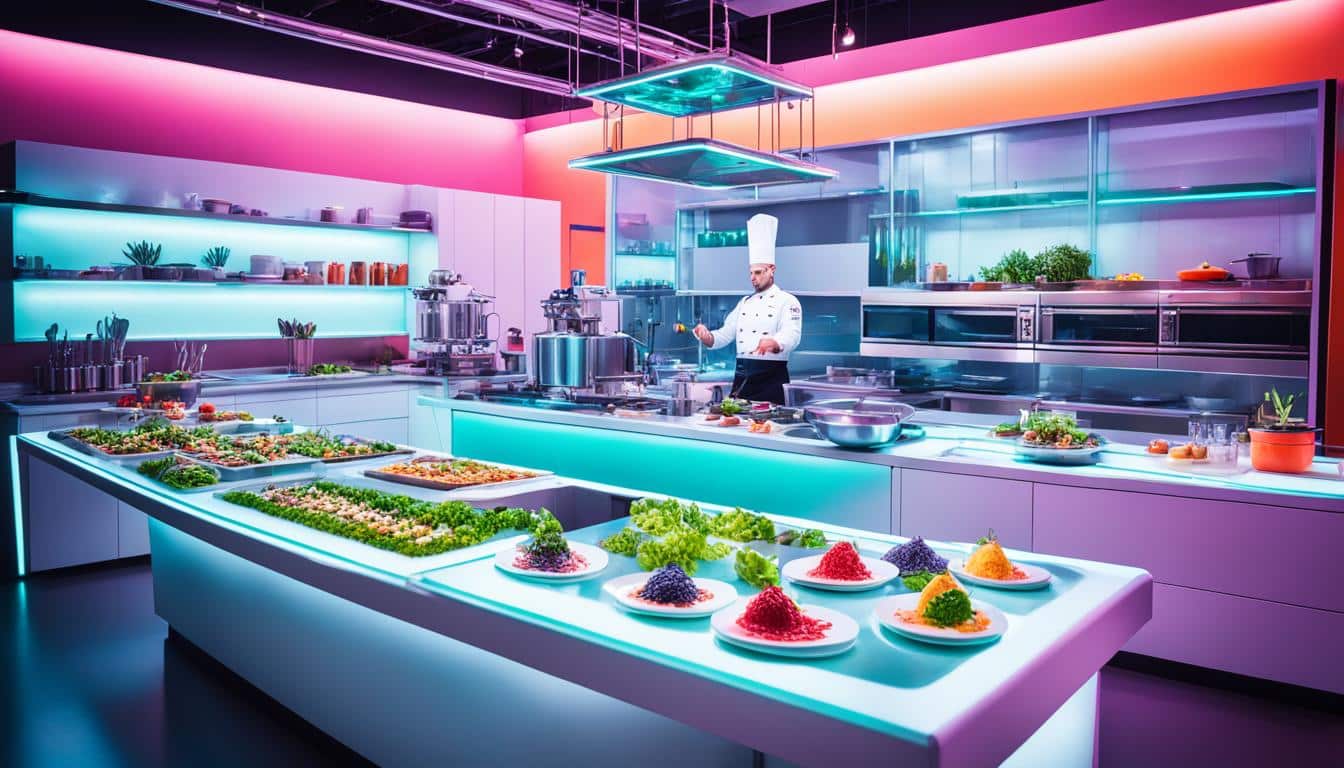
But it’s not just about what’s on the plate. The kitchen itself is undergoing a transformation, with sleek and functional designs taking the spotlight. Kitchen layouts that prioritize efficiency, organization, and aesthetics will be in vogue. Whether you’re a professional chef or a home cook, you’ll find inspiration in the kitchen designs that combine style and practicality.
Key Takeaways:
- 2024 will bring exciting culinary trends and food innovations.
- Chefs will experiment with unique ingredients and creative cooking techniques.
- Kitchen designs will prioritize both functionality and aesthetics.
- Stay tuned for a year of culinary excitement and mouthwatering creations.
Super Spicy Condiments
One of the top trends in culinary 2024 is the use of super spicy condiments. Gen Z’s love for adventurous flavors has led to an increased interest in fiery ingredients. Chefs are finding creative ways to integrate popular condiments like Sriracha, chili oil, and hot sauce into their dishes. Expect to see dishes like painfully spicy ramen and African-inspired chili oils. Additionally, mixologists are using pepper-infused spirits to add a kick to cocktails. The thrill of heat and the depth it brings to a dish or drink make spicy condiments a staple in 2024’s culinary scene.
https://www.youtube.com/watch?v=TEqmhmmgaAY
Spicy Condiment Recipes
Here are a few recipes to help you incorporate the heat of spicy condiments into your own culinary creations:
- Fiery Sriracha Fried Rice: Heat up a wok with some oil, then add cooked rice, diced vegetables, and a generous drizzle of Sriracha sauce. Stir-fry until everything is well combined and the flavors meld together. Serve hot and enjoy the spicy kick!
- Spicy Chili Oil Noodles: Boil some noodles of your choice until al dente. Drain and set aside. In a separate pan, heat up chili oil along with minced garlic and ginger. Add the cooked noodles to the pan and toss until they are coated in the spicy oil. Serve with chopped green onions and a sprinkle of sesame seeds.
- Pepper-Infused Margarita: In a shaker, combine tequila, lime juice, triple sec, and a splash of pepper-infused spirits. Shake well with ice and strain into a salt-rimmed glass. Garnish with a lime wedge and enjoy the fiery twist on a classic margarita.
These recipes are just a starting point to unleash your creativity with spicy condiments. Experiment with different combinations and levels of heat to find your perfect balance.
“Spicy condiments add an exciting kick to any dish or cocktail, elevating them to a whole new level of flavor.” – Chef Jessica Thompson
| Spicy Condiment | Heat Level | Popular Uses |
|---|---|---|
| Sriracha | Medium | Asian stir-fries, marinades, and dipping sauces |
| Chili Oil | High | Noodles, dumplings, and spicy Sichuan dishes |
| Hot Sauce | Varies (from mild to extremely hot) | Burgers, tacos, and Bloody Mary cocktails |
| Pepper-Infused Spirits | Customizable (based on the infused peppers) | Cocktails, marinades, and dressings |
Innovative Plant-Based Cuisine
The rise in veganism and vegetarianism has sparked a wave of innovation in the world of plant-based cuisine. Chefs are embracing the challenge of creating delicious and satisfying dishes without relying on animal products. This culinary movement goes beyond simply replacing meat with tofu or tempeh—it’s about exploring the full potential of vegetables and other plant-based ingredients.
One standout ingredient that has captured the attention of chefs and diners alike is mushrooms. With their meaty texture and rich flavor, mushrooms have become the go-to choice for creating vegan and vegetarian dishes that are both satisfying and savory. Chefs are pushing the boundaries by experimenting with different varieties of mushrooms and innovative culinary techniques to create a diverse range of mushroom-based dishes. One popular creation is the mushroom root steak, which offers a plant-based alternative to a traditional steak, mimicking its taste and texture.

But it’s not just about mushrooms. The demand for plant-based seafood alternatives is also on the rise. As concerns about overfishing and the environmental impact of commercial fishing grow, more people are seeking out sustainable alternatives. Chefs are rising to the challenge and using ingredients like seaweed, soy, and different starches to create plant-based versions of seafood classics. From plant-based fish fillets to seaweed-based sushi rolls, these innovative dishes satisfy seafood cravings while promoting a more sustainable food system.
The Benefits of Plant-Based Cuisine:
- Healthier lifestyle: Plant-based diets tend to be lower in saturated fats and cholesterol, making them beneficial for heart health.
- Sustainable: Plant-based cuisine reduces the environmental footprint associated with animal agriculture.
- Expanded flavor profiles: Chefs are discovering new and exciting ways to elevate the flavors of vegetables, opening up a world of taste possibilities.
- Creative culinary experiences: Plant-based cuisine challenges chefs to think outside the box and push the boundaries of what is possible in the kitchen.
As plant-based cuisine continues to evolve, it is rewriting the narrative around veganism and vegetarianism. No longer seen as a mere substitution for meat dishes, plant-based cuisine is carving its own path as a delicious and sustainable option for all diners.
Nonalcoholic Spirits and Wine
As health-conscious lifestyles continue to gain traction, the trend of nonalcoholic spirits and wine is on the rise. Consumers are seeking out nonalcoholic options that still provide a flavorful and enjoyable drinking experience. The nonalcoholic beverage industry is expanding, with bottles of spirit-inspired blends and canned nonalcoholic wines, spritzes, and seltzers becoming more prevalent. Fine dining establishments are also incorporating nonalcoholic pairings into their tasting menus, offering innovative and alcohol-free options to complement each course.
| Benefits of Nonalcoholic Beverages | Types of Nonalcoholic Drinks |
|---|---|
|
|
Nonalcoholic spirits and wine provide a bridge between health-conscious choices and the desire for a sophisticated drinking experience. By offering a diverse range of alcohol-free options, individuals can enjoy the flavors, pairings, and social aspects of drinking without the negative effects of alcohol.
The Rise of Mocktails
Mocktails have become increasingly popular as people seek creative and flavorful alternatives to traditional alcoholic beverages. Bartenders and mixologists are using their expertise to craft intricate and delicious mocktail recipes that rival their alcoholic counterparts. With a wide range of nonalcoholic ingredients and techniques at their disposal, they create enticing and refreshing beverages that satisfy both the taste buds and the desire for a sophisticated drinking experience.
Nonalcoholic Pairings for Fine Dining
Leading restaurants and fine dining establishments are embracing the trend of nonalcoholic pairings, providing patrons with a curated selection of nonalcoholic drinks to complement their meal. These pairings are carefully designed to enhance the flavors of each dish, offering a harmonious and well-rounded dining experience. Nonalcoholic beverages such as herbal infusions, spritzes, and nonalcoholic wines are matched with the complexity and nuances of each course, creating a memorable culinary journey.
By incorporating nonalcoholic spirits and wine into their menus, restaurants are catering to the evolving preferences of their customers while showcasing their commitment to innovation and providing inclusive options for all.
Benefits of Nonalcoholic Spirits and Wine
The rise of nonalcoholic spirits and wine is driven by several factors:
- Health-conscious lifestyles: Nonalcoholic options align with the growing trend of wellness and offer a healthier alternative to traditional alcoholic beverages.
- Inclusive drinking culture: Nonalcoholic spirits and wine provide a space for individuals who don’t consume alcohol to participate in social drinking experiences.
- Taste exploration: Nonalcoholic beverages allow individuals to experiment with different flavors, flavors, and pairings without the effects of alcohol.
- Designated drivers and pregnant individuals: Nonalcoholic options provide a safe and enjoyable drinking experience for those who cannot or choose not to consume alcohol due to various reasons.
As the demand for nonalcoholic beverages continues to grow, expect to see an even greater variety of options that cater to diverse tastes and preferences.
Little Luxuries
In 2024, there is a growing trend of embracing mindful indulgence and affordable luxury in the culinary world. People are seeking out small, single-serving indulgences that elevate their daily meals and provide a sense of luxury without breaking the bank. This trend allows consumers to enjoy previously unattainable items like caviar and tinned fish at a more affordable price. The focus is on quality over quantity, celebrating the simplicity of daily meals while adding a touch of gourmet flair.
When it comes to indulging in culinary delights, it’s not always about extravagance and excess. In fact, more and more people are finding joy and satisfaction in savoring small but decadent treats that add a touch of luxury to their everyday dining experiences. This concept of mindful indulgence is all about appreciating and enjoying the finer things in life without going overboard.
One of the prime examples of mindful indulgence is the inclusion of caviar in meals. Long associated with opulence and grandeur, caviar is now becoming more accessible and affordable, allowing people to incorporate this luxurious delicacy into their culinary adventures. From traditional Russian sturgeon caviar to sustainable alternatives made from seaweed, there is a wide range of options to suit different tastes and budgets.
Affordable Luxury for Everyday Life
Mindful indulgence goes beyond just caviar. It encompasses a broader concept of incorporating affordable luxury into daily life. This can be seen in the rise of artisanal chocolates, gourmet cheese selections, and beautifully packaged tinned fish from reputable brands. These small indulgences elevate meals from ordinary to extraordinary, creating a sense of occasion and enjoyment.
“The little luxuries in life bring a sense of joy and satisfaction. When you can indulge in a small treat that elevates your meal, it adds that touch of luxury to your everyday routine,” says Chef Emily Thompson, renowned culinary expert.
These affordable luxuries are not only about the products themselves but also about the entire experience. The packaging, presentation, and attention to detail play a significant role in creating a sense of indulgence. Whether it’s relishing a piece of exquisite chocolate or savoring a can of carefully preserved fish, each bite becomes a moment of pure bliss.

Experiencing Mindful Indulgence
Incorporating mindful indulgence into your culinary journey is about embracing quality over quantity. Rather than overindulging in large portions, focus on the details and select treats that truly bring joy to your taste buds. Here are some ideas to experience mindful indulgence:
- Savoring a small jar of premium caviar paired with crisp blinis and sour cream
- Enjoying a piece of handcrafted chocolate with a rich, velvety center
- Exploring a selection of aged artisanal cheeses, each with its own unique flavor profile
- Indulging in a can of impeccably sourced and prepared tinned fish
By consciously incorporating these little luxuries into your meals, you can create a daily ritual of celebration, elevating even the simplest of dishes into a memorable experience.
Affordable Luxury for A Gourmet Experience
While indulging in mindful culinary pleasures, you don’t have to compromise your budget. There are many affordable options available that still deliver a gourmet experience. By prioritizing quality and selectively choosing indulgences, you can create a dining experience that feels luxurious without breaking the bank. It’s all about finding that perfect balance between taste, quality, and affordability.
| Little Luxuries | Description | Price Range |
|---|---|---|
| Caviar | Various types of caviar, from traditional to sustainable alternatives | $30 – $150 |
| Artisanal Chocolates | Handcrafted chocolates with unique flavors and beautiful packaging | $10 – $30 |
| Gourmet Cheese | Aged cheeses with distinct flavors and textures | $15 – $40 |
| Tinned Fish | High-quality fish, preserved in oil or sauces | $8 – $20 |
These little luxuries are easily accessible in specialty food stores, online shops, and even some mainstream supermarkets. Take the time to explore different options and discover affordable indulgences that suit your taste. Mindful indulgence is about finding pleasure in the finer things in life, even in the simplest and most affordable forms.
Snacks for Dinner
Snacks for dinner are becoming increasingly popular as people embrace grazing and charcuterie boards as a complete meal option. This trend reflects a shift towards interactive and social dining, encouraging people to savor an assortment of delectable bites in a communal setting.
Snack-based meals also allow for creativity and customization, as leftovers can be repurposed and combined on a single serving tray. Look for unique variations like butter boards, candy charcuterie boards, and “char-fruit-erie” boards featuring dried apricots and mangos.
“Snacks for dinner provide an opportunity to explore a variety of flavors and textures on a smaller scale, creating a fun and dynamic dining experience. From savory to sweet, the possibilities are endless when it comes to snack-based meals.”
Advantages of Snack-Based Meals:
- Flexible and customizable
- Promote interactive and social dining
- Allow for creative use of leftovers
- Showcase a variety of flavors and textures
Whether you’re looking to spice up your weeknight meals or hosting a casual gathering with friends, snack-based dinners offer a unique and enjoyable way to satisfy your cravings. Discover the joy of grazing and indulge in the deliciousness of charcuterie boards, where each bite is a delightful surprise.
Botanical and Floral-Based Everything
In line with the growing wellness trends, 2024 will see a focus on botanicals and florals in culinary creations. These ingredients will be integrated into cocktails, desserts, and other indulgences to provide unique flavors and health benefits. Botanicals and florals offer vitamins and antioxidants that can lower inflammation and promote well-being. Expect to see innovative uses of herbs, petals, and elixirs in dishes that counter excessive sugar content. This trend highlights the harmony of flavor and health in culinary experiences.
If you’re wondering how botanicals and florals can add an extra touch of elegance and wellness to your meals and drinks, look no further. Here are some examples of how these natural elements are being used:
- Botanical Cocktails: Mixologists are creating refreshing and Instagram-worthy drinks infused with botanicals. From lavender-infused gin to rose petal garnishes, these cocktails not only look stunning but also offer aromatic and floral notes that enhance the overall drinking experience.
- Floral Desserts: Pastry chefs are embracing edible flowers as decorative elements and flavor enhancers in their desserts. Delicate rose petals, vibrant pansies, and zesty marigolds are just a few examples of the beautiful and edible blooms that can elevate a simple dessert into a work of art.
- Herbal Infusions: Infused oils, vinegars, and syrups are gaining popularity in the culinary world. By infusing these liquids with herbs and botanicals like basil, thyme, or chamomile, you can add a depth of flavor and complexity to your dishes.
By incorporating botanicals and florals into your culinary creations, you not only enhance the taste and presentation but also introduce the benefits of these natural ingredients to your overall wellness. It’s a delightful way to explore new flavors while nurturing your body and soul.
| Section | Keywords |
|---|---|
| Wellness trends | botanicals, florals, cocktails, desserts |
Conclusion
The culinary trends of 2024 are poised to redefine the way we approach cooking and dining. This year, we can expect a delightful fusion of flavors and sustainability, with the rise of spicy condiments and the innovation in plant-based cuisine. For those seeking alcohol-free alternatives, the growing popularity of nonalcoholic spirits and wine offers flavorful options. Additionally, mindful indulgence and affordable luxury are transforming our meals, while snack-based dinners and botanical and floral-based creations inject excitement and variety into our culinary experiences.
Food enthusiasts and home cooks alike can look forward to 2024 as a year of culinary exploration. These emerging food trends not only satisfy our cravings but also prioritize eco-conscious choices. By embracing these kitchen trends, we can all bring a touch of creativity and innovation to our own dining tables and spice up our kitchen routines.
Culinary innovations are constantly evolving, and 2024 showcases the dynamic nature of the food industry. Whether you’re a seasoned chef or an adventurous home cook, these trends offer an opportunity to expand your culinary horizons and experiment with new flavors and techniques. Let the food trends of 2024 inspire your creativity in the kitchen and elevate your dining experiences to new heights.
FAQ
What are some of the hottest culinary trends in 2024?
The hottest culinary trends in 2024 include the use of super spicy condiments, innovative plant-based cuisine, nonalcoholic spirits and wine, little luxuries, snacks for dinner, and botanical and floral-based creations.
What are super spicy condiments?
Super spicy condiments are popular ingredients like Sriracha, chili oil, and hot sauce that chefs are creatively integrating into their dishes to add a fiery kick. They are also being used in pepper-infused spirits for flavorful cocktails.
What is innovative plant-based cuisine?
Innovative plant-based cuisine refers to the exploration of new ways to use vegetables as the main ingredient, with a focus on mushrooms for their unique texture and umami flavor. It also includes the use of seaweed, soy, and different starches as replacements for fish in plant-based seafood dishes.
What are nonalcoholic spirits and wine?
Nonalcoholic spirits and wine are flavorful alternatives to traditional alcoholic beverages. These include spirit-inspired blends and canned nonalcoholic wines, spritzes, and seltzers. Fine dining establishments are also offering nonalcoholic pairings to complement their tasting menus.
What are little luxuries in the culinary world?
Little luxuries refer to small, single-serving indulgences that elevate everyday meals. These include previously unattainable items like caviar and tinned fish, which are now more affordable. The focus is on quality and adding a touch of gourmet flair to daily meals.
What are snacks for dinner?
Snacks for dinner involve embracing grazing and charcuterie boards as a complete meal option. This trend promotes interactive and social dining, allowing people to savor an assortment of delectable bites in a communal setting. Leftovers can also be repurposed and combined on a single serving tray for creativity and customization.
What is the trend of botanical and floral-based creations?
The trend of botanical and floral-based creations involves integrating herbs, petals, and elixirs into cocktails, desserts, and other indulgences. These ingredients not only provide unique flavors but also offer health benefits such as vitamins and antioxidants. This trend highlights the harmony of flavor and well-being in culinary experiences.
What are some key culinary trends in 2024?
The key culinary trends in 2024 include the use of super spicy condiments, innovative plant-based cuisine, nonalcoholic spirits and wine, little luxuries, snacks for dinner, and botanical and floral-based creations. These trends are set to revolutionize the way we cook and eat, adding excitement and sustainable choices to our culinary experiences.